
Why Spiders And Crickets Invade Residential Properties
Understanding why spiders and crickets invade residential properties helps homeowners target the pests effectively, and local service providers can implement tailored control solutions.
Understanding why spiders and crickets invade residential properties can help homeowners take practical steps to minimize these unwelcome visitors. These pests often seek shelter and food sources, especially during certain times of the year when outdoor conditions change. Factors such as cluttered yards, unsealed cracks, and excess moisture create inviting environments for these insects to establish themselves inside homes. Recognizing these common causes can empower property owners to implement effective preventative measures and maintain a more comfortable living space.
For those noticing an increase in spider and cricket activity, connecting with experienced service providers can be a helpful step. Local contractors specializing in pest control understand the habits of these pests and can offer tailored solutions to reduce their presence. Whether through targeted treatments or advice on property maintenance, professional assistance ensures that efforts to control these invaders are both efficient and effective. Keeping these pests at bay often involves a combination of understanding their behavior and working with experts who know how to address the root causes.
- Spider control services are often needed when homeowners notice webs in corners and want to prevent future infestations, with local contractors applying targeted treatments to reduce spider populations. Cricket control is sought when these insects become a nuisance in yards and indoor spaces, with local service providers implementing barriers and removal strategies. People concerned about why spiders and crickets invade residential properties may turn to local pros for inspections and customized treatment plans to address specific entry points and attractants. These services are frequently requested when seasonal changes lead to increased activity, prompting local contractors to provide effective pest management solutions. Contacting local pros ensures tailored approaches to reduce the likelihood of spiders and crickets establishing themselves around homes.
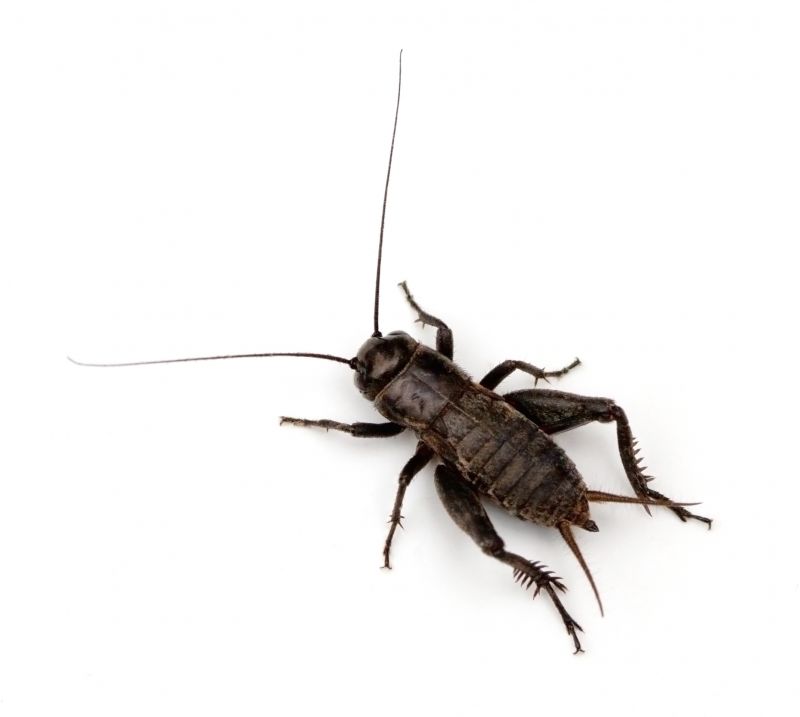
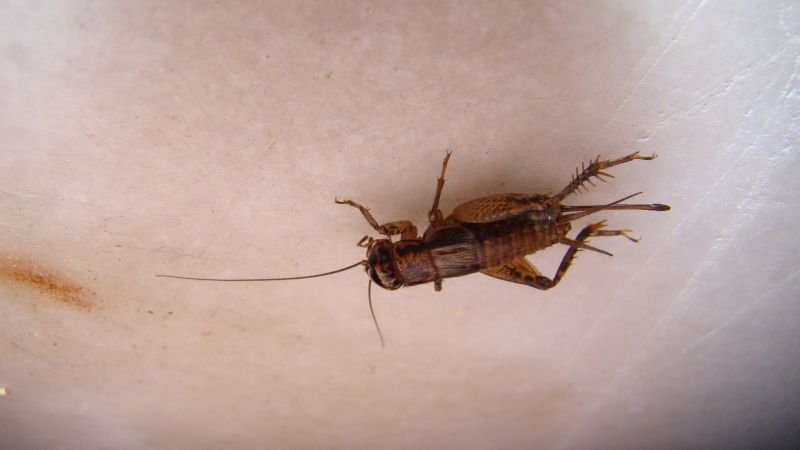
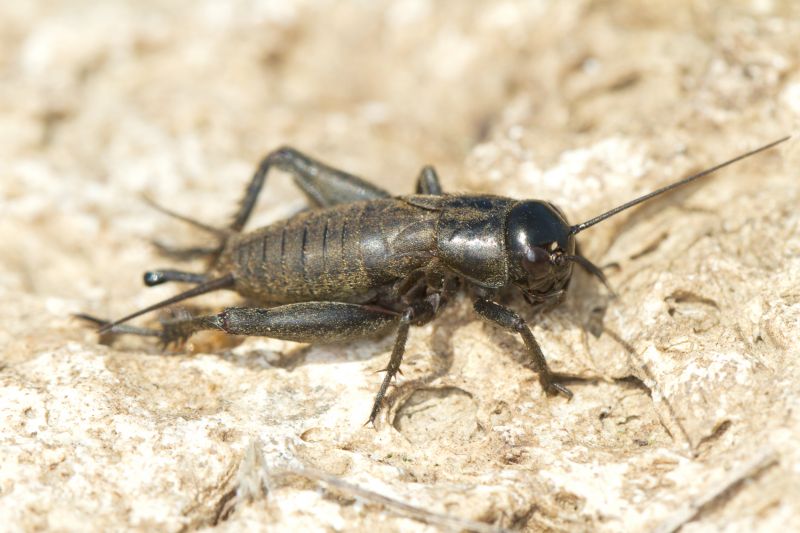
Understanding why spiders and crickets invade residential properties involves recognizing the environmental and structural factors that attract these pests. Many homeowners encounter these insects when they notice webs in corners, cracks, or crevices, or see crickets hopping across floors and walls. Typically, searches on this topic stem from concerns about pest presence and the desire to prevent or eliminate infestations. Spiders often enter homes seeking shelter and prey, while crickets are drawn to dark, moist areas that provide ideal conditions for breeding and hiding. Recognizing these motivations helps homeowners see how pest activity relates to the overall health and comfort of their living spaces.
The problems associated with spiders and crickets invading homes are often linked to discomfort, cleanliness, and potential property damage. While spiders are generally harmless, their webs can become a nuisance, and some people may have fears or allergies triggered by their presence. Crickets, on the other hand, can be loud and disruptive, especially during breeding seasons, and their droppings may stain walls or floors. Many property owners plan to address these issues proactively by seeking pest control solutions to reduce the likelihood of large infestations. Proper management not only improves the living environment but also prevents pests from establishing long-term footholds that can be difficult to eradicate later.
Properties most commonly affected by these invaders include single-family homes, townhouses, and apartment complexes. These structures often have cracks, gaps around windows and doors, or other entry points that allow spiders and crickets to slip inside. Additionally, properties surrounded by gardens, shrubs, or mulch beds provide ideal outdoor environments for these insects to thrive, making it easier for them to migrate indoors. Basements, crawl spaces, garages, and storage areas are especially vulnerable, as they tend to be dark, damp, and less frequently cleaned. Understanding which areas are most at risk can help homeowners prioritize pest prevention measures and work with local service providers to implement targeted control strategies.
Local spider and cricket control service providers play a crucial role in managing these invasions effectively. They can assess the property to identify entry points, breeding sites, and environmental conditions that attract these pests. Based on the findings, they offer tailored solutions to reduce pest populations and prevent future invasions. These professionals often employ a combination of exclusion techniques, targeted treatments, and ongoing monitoring to maintain a pest-free environment. Engaging with experienced local contractors ensures that pest management efforts are appropriate for the specific property and pest activity level, helping homeowners maintain a comfortable, pest-free living space with minimal disruption.
Pest inspection services - professionals who assess properties for pest entry points and attractants, helping to identify conditions that invite spiders and crickets indoors.
Home sealing and repair projects - contractors specializing in sealing cracks, gaps, and openings that pests use to invade residential spaces, reducing entry points for spiders and crickets.
Outdoor pest barrier installation - service providers who set up physical barriers around properties to prevent pests from migrating inside, addressing common invasion pathways.
Yard cleanup and landscaping - experts who remove debris, weeds, and overgrown vegetation that create ideal habitats for spiders and crickets near homes.
Moisture control services - specialists who address excess moisture issues in basements, crawl spaces, and yards, which attract pests seeking damp environments.
Structural repair services - contractors who reinforce or replace damaged structures to eliminate hiding spots and entry points for spiders and crickets.
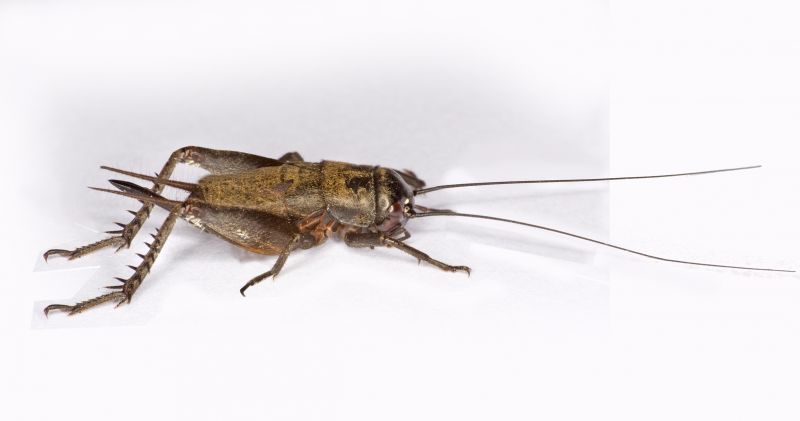
When comparing local contractors for spider and cricket control services, it is important to consider their experience with similar projects. Homeowners should inquire about how long the service providers have been handling pest issues related to spiders and crickets, as well as their familiarity with common entry points and attractants in residential settings. A contractor with relevant experience is more likely to understand the specific conditions that lead to infestations and to recommend effective treatment strategies tailored to the property’s unique environment.
Clear written expectations are essential when evaluating potential service providers. Homeowners should seek detailed information about the scope of work, including what treatments are included, any follow-up services, and the homeowner’s responsibilities. Having a transparent plan helps to avoid misunderstandings and ensures that both parties are aligned on what the service entails. Well-defined expectations also assist homeowners in assessing whether a contractor’s approach matches their needs for controlling spiders and crickets effectively.
Reputable references and good communication are key factors in selecting a reliable contractor. Homeowners are encouraged to ask for references or reviews from previous clients who had similar pest concerns. This feedback can provide insight into the contractor’s professionalism, reliability, and success in managing pest problems. Additionally, a service provider who communicates clearly and promptly can help homeowners feel confident in the process and better understand the recommended treatments. These qualities contribute to a smoother experience and increased trust in the chosen local contractor for spider and cricket control services.
Property owners often search for why spiders and crickets invade residential properties when they are planning practical projects around their homes and businesses. Local pros provide Spider and Cricket Control services for everyday jobs and straightforward project options.
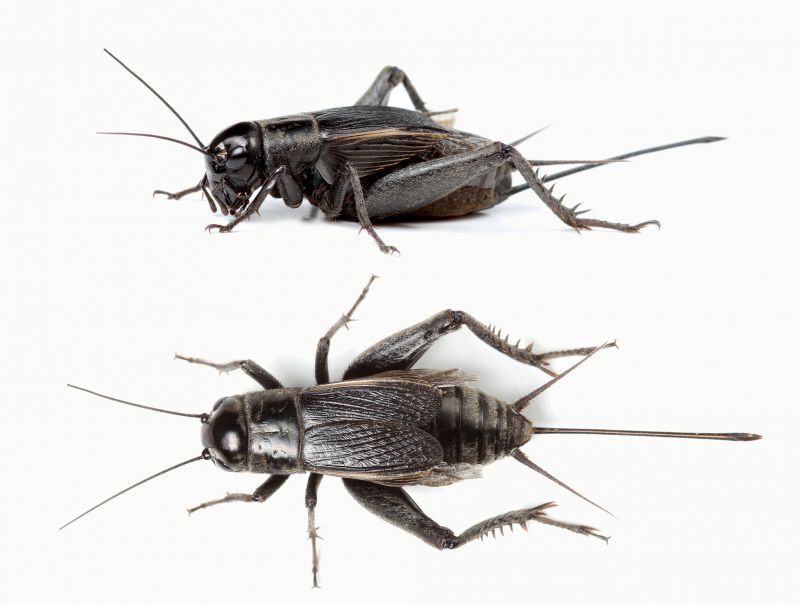
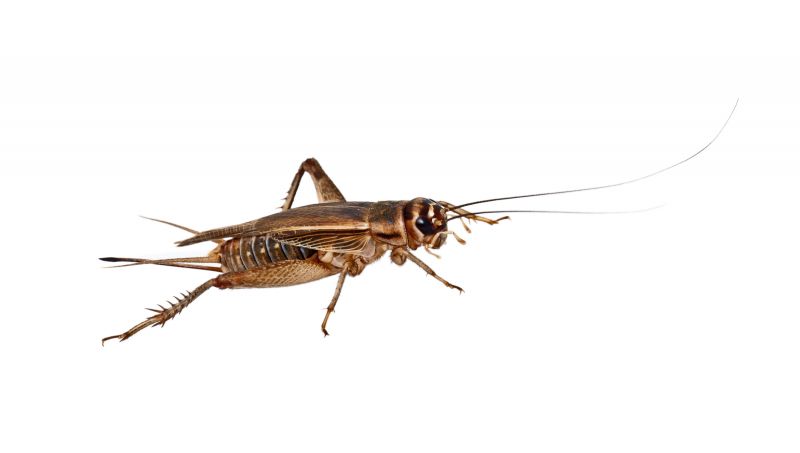
Understanding why spiders and crickets invade residential properties can help property owners identify the common conditions that attract these pests. Typically, these insects seek out homes with easy access to shelter, moisture, and food sources. Cluttered garages, piles of leaves, or overgrown landscaping can create inviting environments for spiders and crickets to establish themselves. Additionally, gaps around doors, windows, and foundation vents provide convenient entry points, making it easier for these pests to move indoors. When such situations arise, property owners often look into spider and cricket control services offered by local contractors to effectively manage and prevent infestations.
Many residents in the area turn to local service providers when dealing with recurring spider and cricket issues. These pests can become a nuisance, especially during certain seasons when their populations tend to increase. Property owners might seek professional help to identify entry points, reduce attractants, and implement ongoing control measures. Local contractors can assess the property’s specific conditions and recommend tailored solutions to keep these pests at bay. Connecting with experienced service providers can provide peace of mind and help maintain a pest-free living environment.
Why do spiders and crickets tend to invade residential properties? Spiders and crickets often enter homes seeking shelter, food sources, or favorable environmental conditions, especially when outdoor areas provide easy access or attract insects they feed on. Local contractors can help identify entry points and implement barriers to reduce invasions.
What attracts spiders and crickets to residential properties? Factors such as clutter, outdoor lighting, moisture, and accessible entry points can attract these pests. Removing attractants and sealing potential entryways are common strategies that local service providers use to prevent invasions.
How do spiders and crickets find their way inside homes? They typically enter through gaps around windows, doors, vents, or foundation cracks. Local pest control experts can inspect properties to identify and seal these entry points effectively.
Can landscaping or outdoor conditions influence spider and cricket invasions? Yes, overgrown vegetation, mulch, and standing water can create ideal habitats for these pests near homes. Professional services often include recommendations for landscaping modifications to reduce pest attractions.
What steps can be taken to reduce spider and cricket invasions with the help of local contractors? Regular inspections, sealing entry points, removing debris, and managing outdoor lighting are common measures that local pest control providers implement to keep these pests from invading residential spaces.
Identify entry points - inspecting and sealing gaps, cracks, and openings helps prevent spiders and crickets from entering the home, with local contractors providing targeted sealing services.
Reduce attractants - removing clutter, debris, and moisture sources around the property minimizes habitats that invite these pests, and local pros can assist with landscape and yard cleanup.
Maintain exterior barriers - installing physical barriers like mesh screens and weather stripping creates a protective shield against invasion, with service providers offering barrier installation solutions.
Implement ongoing pest management - regular inspections and targeted treatments from local contractors can keep spiders and crickets at bay and address infestations early.
If you are thinking about why spiders and crickets invade residential properties for a property, this guide is meant to help you understand this topic, the typical project types, and how different options might fit your plans.
When you are ready, you can use the quote form on this page to share a few details about your project. From there, local pros can review the basics and follow up with options that match what you have in mind.